J. Kaveh D’ Rosairo is a Sri Lankan interdisciplinary artist and filmmaker based in New York City. Working across video, installation, sculpture, and performance, their practice explores the intersections of queerness, migration, disability, and loss informed by personal history and cultural memory.
Rooted in research and material experimentation, Kaveh investigates how colonial legacies, authoritarian structures, and religious traditions continue to shape contemporary attitudes toward gender, sexuality, and belonging.
Drawing from Sri Lankan folklore, ritual performance, cinema, and archival imagery, Kaveh constructs speculative worlds where myth and lived experience converge. Their work often reimagines familiar landscapes, symbols, and narratives through personal documentation, found imagery, and fabricated environments, creating spaces where alternative histories and futures can emerge. Through these interventions, they examine the possibilities of liberation, asking what the body might become when freed from systems of exclusion and surveillance.
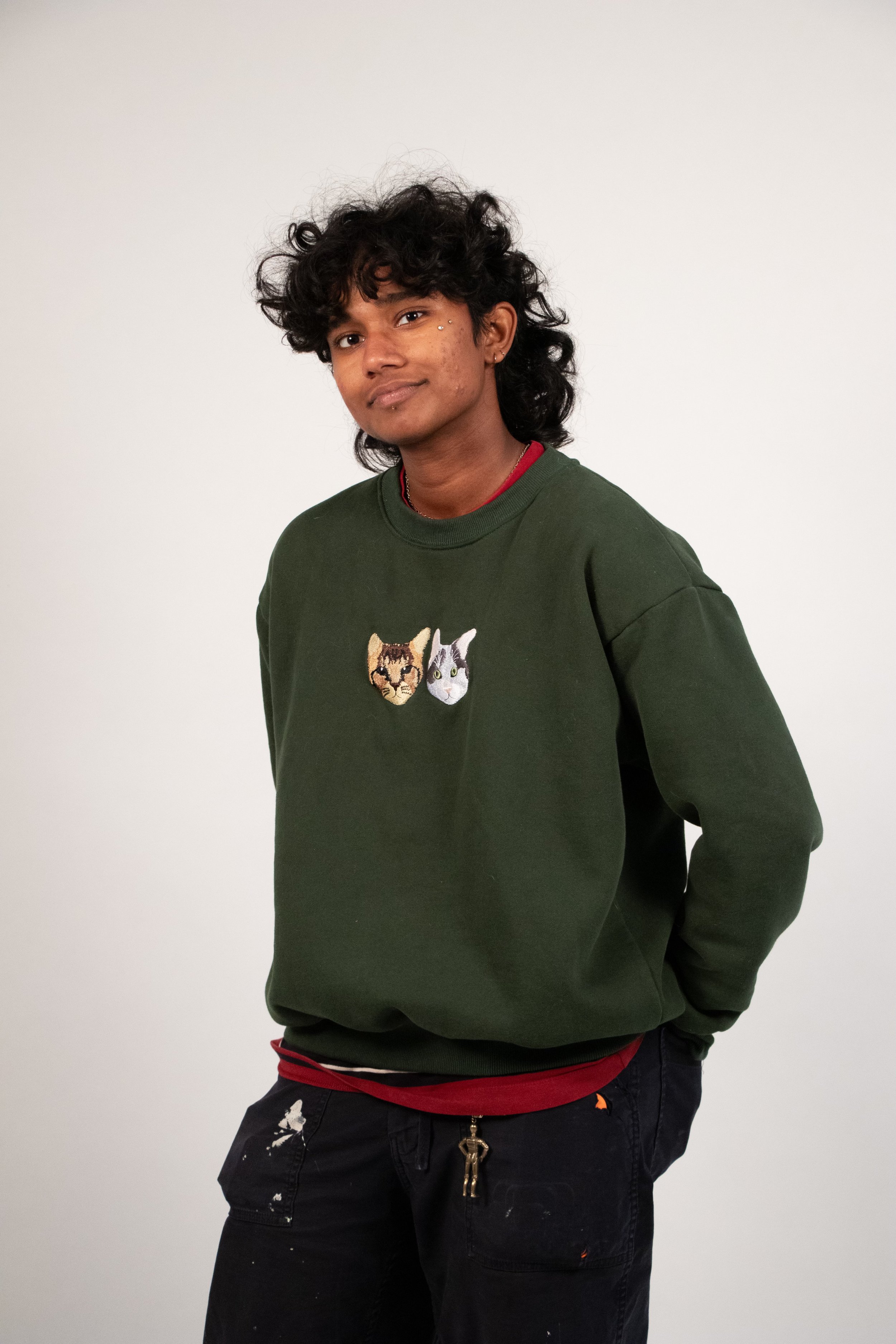
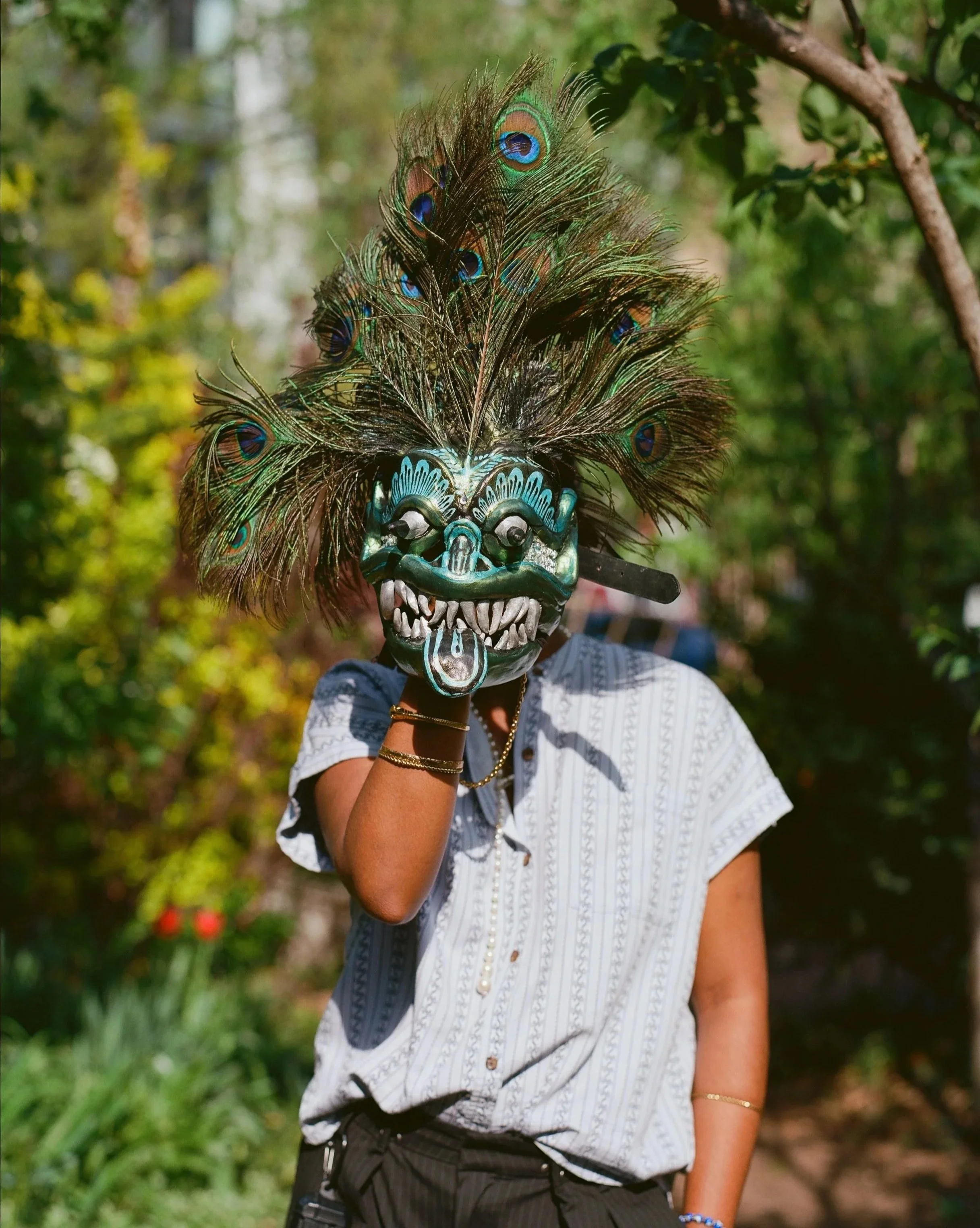
Influenced by artists and filmmakers such as Charles Atlas, Alejandro Jodorowsky, John Akomfrah, KING COBRA, Tracey Emin, and Lionel Wendt, Kaveh approaches storytelling as both a political and transformative act. Their projects frequently blur the boundaries between reality and fiction, intimacy and spectacle, using world-building as a strategy to challenge dominant narratives and imagine queer futures beyond the constraints of the present.
Kaveh holds a BFA in Studio Art from New York University. Alongside their independent artistic practice, they have worked across filmmaking, photography, fabrication, research, production design, and studio management. They currently work as a freelance photographer and videographer while continuing to develop interdisciplinary projects that engage questions of identity, memory, ritual, and resistance.